Underfloor Heating
Underfloor heating has moved from a luxury to a mainstream choice in UK homes — and it's easy to see why. It delivers perfectly even warmth from the ground up, eliminates cold spots, runs at a lower flow temperature than radiators (making it ideal for heat pumps), and frees up wall space by removing radiators entirely. With the move away from gas boilers accelerating, UFH systems are increasingly specified as part of future-proofed heating installations.
- Wet and electric systems
- Compatible with all floor types
- Zone control included
- Reduces energy bills
What do you need?
Select your service and urgency level
What is Underfloor Heating?
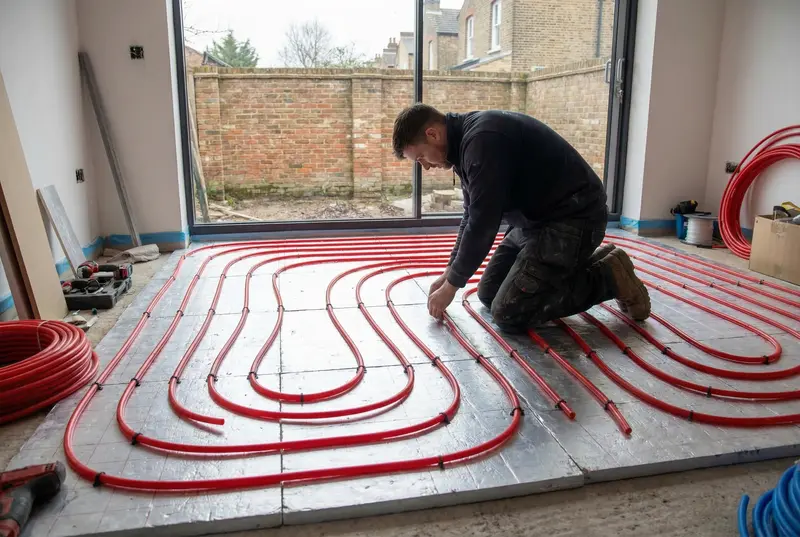
Underfloor heating comes in two main types: wet systems (warm water pumped through pipes under the floor) and electric systems (heating cables or mats). Wet systems are more economical to run long-term and work with any heat source including heat pumps. Electric systems are cheaper to install and ideal for single rooms or retrofits. Our partner installers design and fit both systems across all floor types.
When Do You Need Underfloor Heating?
What the Service Involves
- 1System design — zoning, pipe spacing, manifold location
- 2Sub-floor preparation — insulation board to prevent downward heat loss
- 3Pipe or mat installation to design specification
- 4Manifold installation and connection to heat source
- 5Screed or floor covering over wet system
- 6Zone controls and thermostat installation
- 7Commissioning — pressure test, zone balancing, temperature setting
- 8Handover and controls instruction
What Affects the Job?
- —Wet vs electric system — wet is higher to install, lower to run
- —Floor area — primary cost driver
- —Floor type — screed, floating floor, or low-profile overlay system
- —Number of zones and complexity of controls
- —Whether a new manifold and controls are required
- —Heat source compatibility — may require mixing valve with existing boiler
- —Insulation below the system — critical for efficiency
Frequently Asked Questions
Can underfloor heating be retrofitted in an existing property?
Yes — modern low-profile overlay systems add as little as 15mm to floor height, making retrofit feasible in most rooms. The main constraint is door clearance and transition to adjacent floor levels. Your installer will assess suitability.
How long does underfloor heating take to warm up?
Wet UFH systems embedded in screed take 2-3 hours to reach operating temperature from cold — they are designed to be left on at a lower temperature rather than switched on and off. Electric systems warm up within 20-30 minutes. Smart controls compensate by pre-heating based on your schedule.
Is underfloor heating compatible with all floor coverings?
Most floor coverings are compatible — tile, stone, engineered wood, LVT, and carpet (with a tog rating below 1.5). Solid wood is more restrictive due to moisture sensitivity. Your installer will specify compatible floor coverings as part of the design.
Can I add underfloor heating to a heat pump system?
UFH is actually the ideal distribution system for heat pumps — it operates at the low flow temperatures (35-45°C) that heat pumps produce most efficiently. A well-designed UFH system with a heat pump is the most energy-efficient heating combination available.
Find Underfloor Heating Near You
We cover 555+ towns and cities across the UK. Click your location for local pricing and availability.
Other Plumbing Services
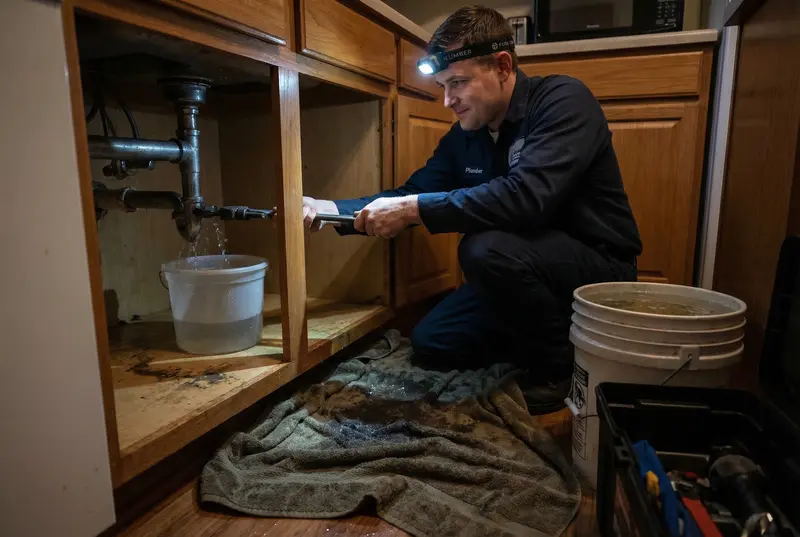
Emergency Plumber
Burst pipes, flooding & urgent repairs
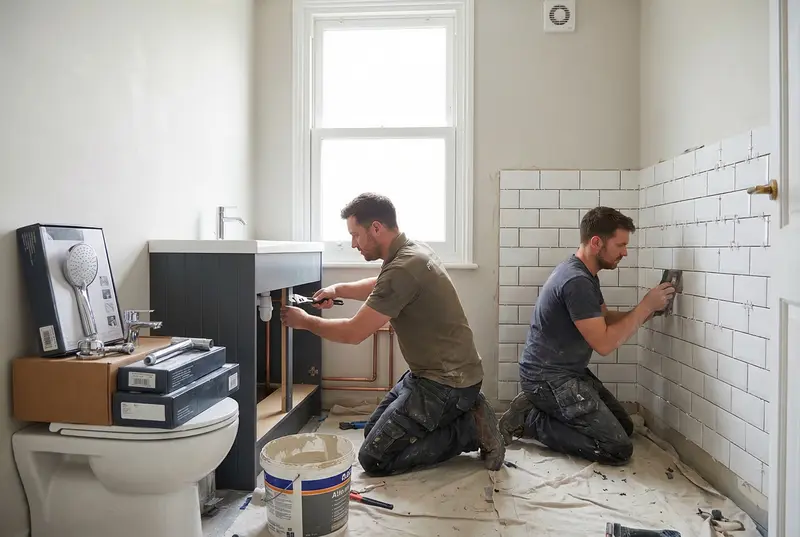
Bathroom Installation
Full design, supply & fit service
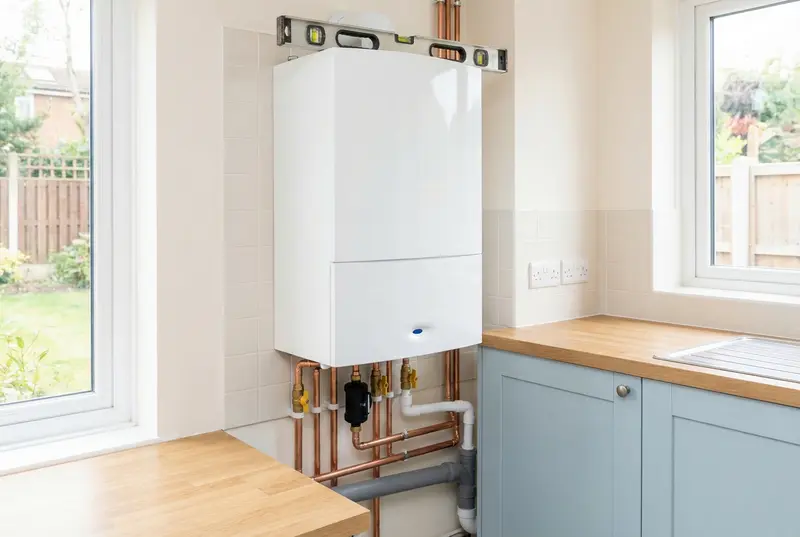
Boiler Installation
Supply & fit all major brands
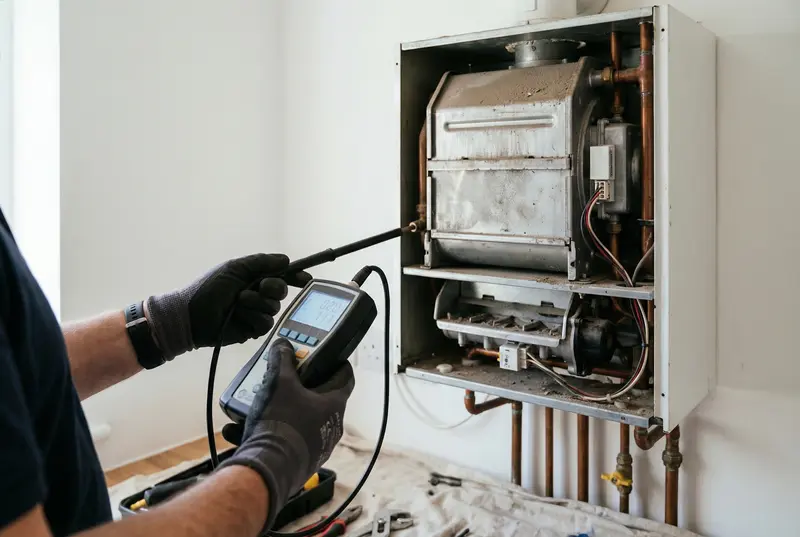
Boiler Repair
Fast diagnosis & repair, all brands
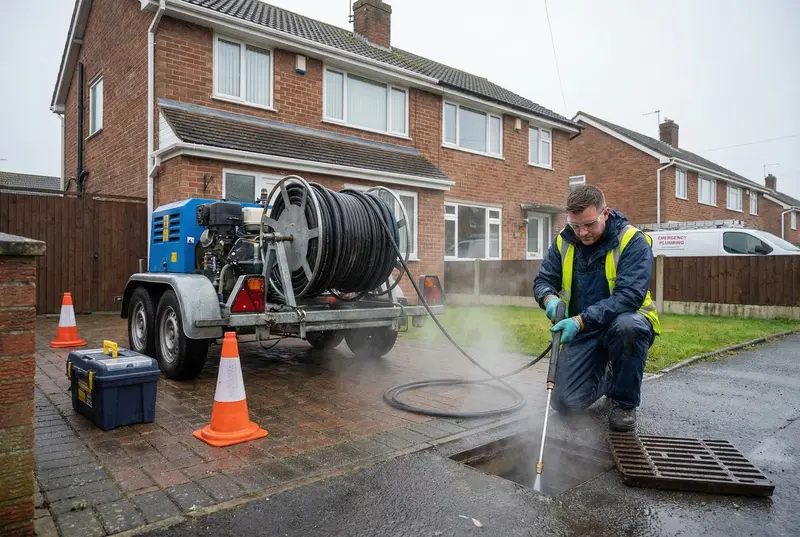
Blocked Drain Clearance
CCTV surveys & high-pressure jetting
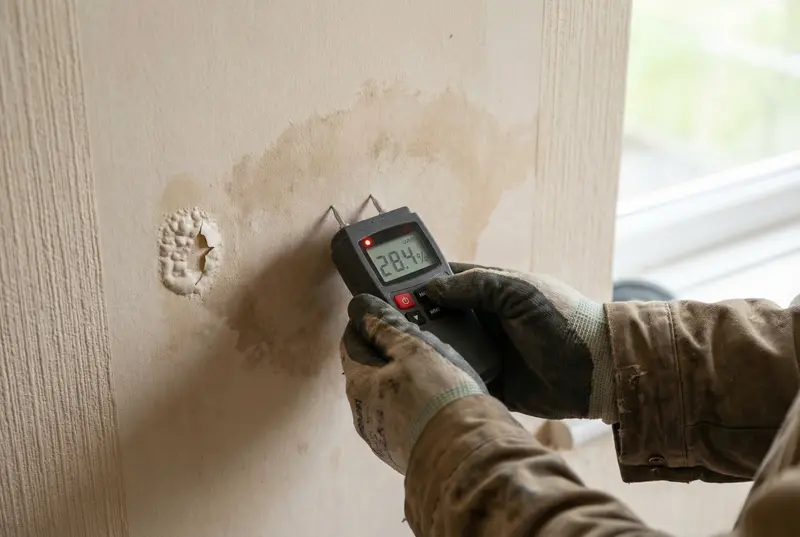
Leak Detection & Repair
Thermal imaging & non-invasive detection
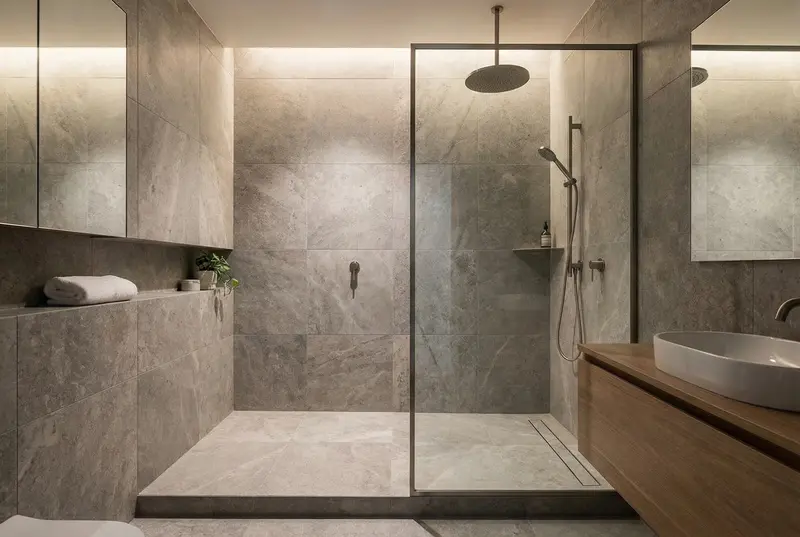
Wet Room Installation
Bespoke design, fully waterproofed
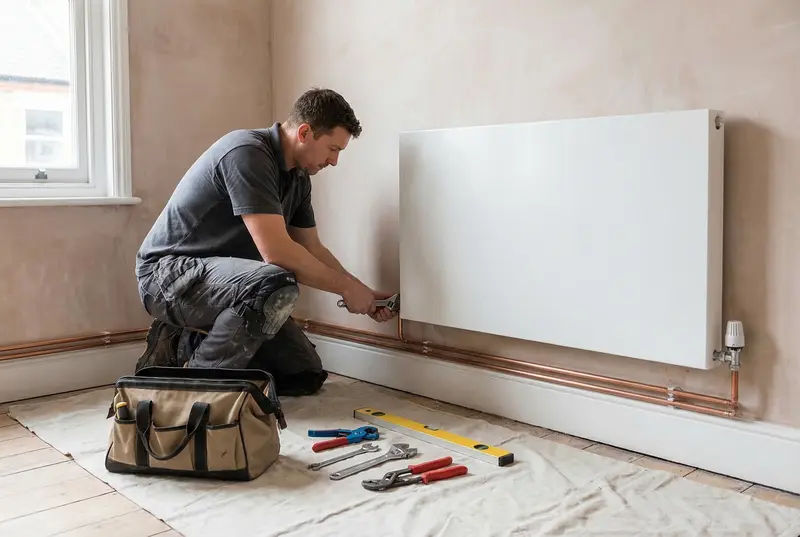
Central Heating Installation
Full system design & installation
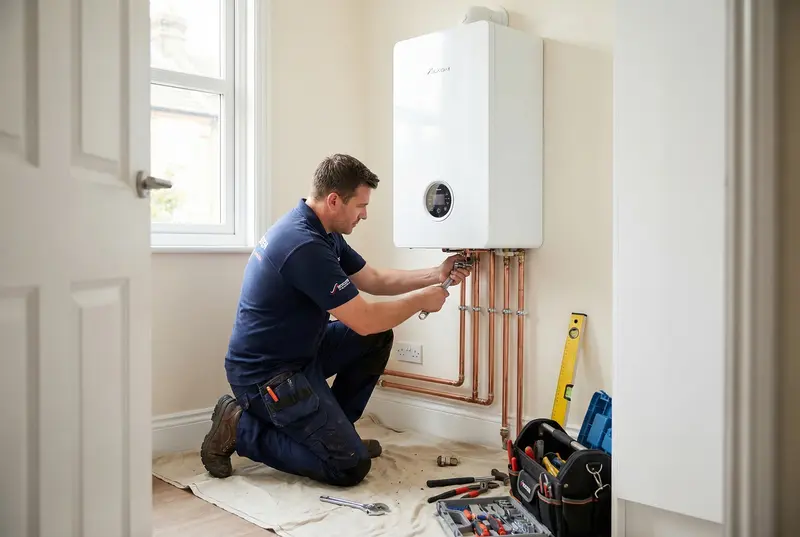
Gas Safety Certificates
CP12 certificates for landlords