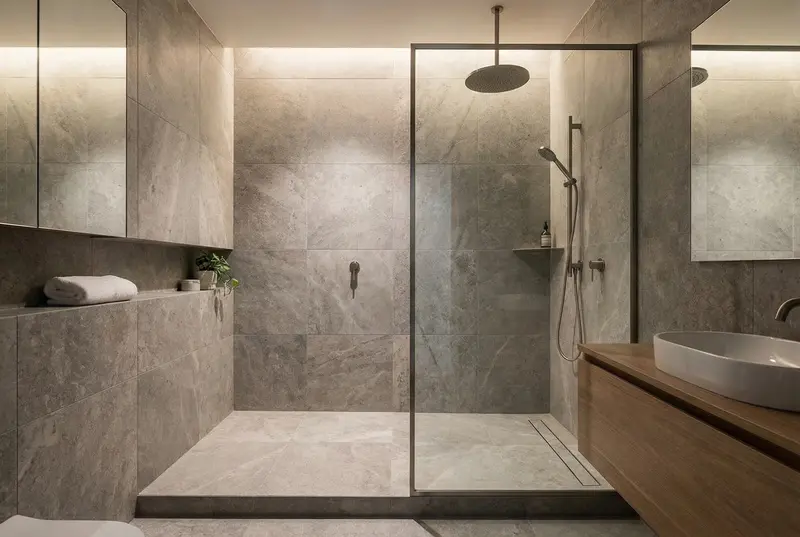
Wet Room Installation in Luton
The most common reason people in Luton start looking into wet room installation is a bathroom that no longer works for them — whether that's an ageing parent struggling with a shower tray lip, a growing family crammed into a cramped bathtub, or simply a dated bathroom that's overdue a proper overhaul. A wet room strips things back to a clean, fully waterproofed, level-access shower space that's both practical and genuinely attractive. Done properly, it adds real value to your home and lasts decades. Done badly, you're looking at water damage behind the walls within a few years — so getting the right installer from the start matters enormously.
Plumbing Conditions in Luton
Very Hard water — Greensand and chalk geology
Mixed housing stock across different eras. With 22% of properties built before 1919, older pipework and drainage systems are common — specialist knowledge of period properties matters.
Wet Room Installation in Luton — Local Expertise
Luton's housing stock is one of the most varied in Bedfordshire, and that variety has a direct impact on wet room projects. Victorian terraces — particularly in areas like Bury Park, High Town, and parts of the town centre — often have suspended timber floors, which require specialist tanking and additional structural work before waterproofing can even begin. Post-war semis and council-built properties across Luton typically have solid concrete floors, which are generally more straightforward to work with. Newer developments and modern flats bring their own considerations around floor depth and drainage routing. There's also the hard water factor — Luton sits firmly in the Affinity Water supply zone, and the high limescale content means your installer should be recommending calcium-resistant grout and advising on water softeners or scale-reducing showerheads to protect the finished installation long-term. A local installer who knows Luton's housing patterns will pick up on these details immediately.
How We Work
A wet room installation in Luton typically follows a clear sequence of work, even if the timeline varies depending on your property. The process starts with a full site survey — a good installer will assess your existing floor construction, check the load-bearing capacity, identify where the drainage will run, and flag any damp or structural issues before a single tile is lifted. Demolition comes next: removing the old suite, stripping back to the subfloor, and making sure the space is clean and sound. For timber floors, this often involves installing a new deck and building up the floor level to accommodate the drainage channel and fall. Tanking — the waterproof membrane system — is then applied across the floor and walls, typically 1.8 to 2 metres up. This is arguably the most critical stage; any shortcuts here will cause problems later. The drainage channel is set at the correct gradient, and the floor is screeded to create a gentle slope toward it. Tiling, fixtures, and glass screens go in last, along with your chosen shower valve and any heated towel rails or underfloor heating. From start to finish, most Luton wet room projects take between five and ten working days, depending on size and complexity.
Why Choose a Local Luton Specialist
Choosing a wet room installer who works regularly in Luton genuinely makes a difference. Local tradespeople understand the building stock here — they've worked in Victorian terraces in Bury Park, post-war estates in Stopsley, and newer builds out toward Houghton Regis. They'll know the quirks of older Luton properties, from shallow floor joists to awkward drain runs, and they're far more likely to be contactable if something needs attention after the job is done. They'll also have established relationships with local tile suppliers and bathroom merchants, which can speed up the project and occasionally bring the materials cost down.
Frequently Asked Questions
Can a wet room be installed in an upstairs bathroom in a Luton Victorian terrace?
Yes, but it requires more preparation than a ground-floor installation. Victorian terraces in Luton typically have suspended timber floors, which need to be reinforced and built up before tanking. An experienced installer will assess the joist depth and structural condition first. It's absolutely achievable — it just needs the right approach and shouldn't be rushed.
How do I protect a new wet room from limescale given Luton's hard water?
Luton's water supply is notably hard, which means limescale will build up on glass screens, tiles, and showerheads over time. Your installer should recommend calcium-resistant grout and sealants, and it's worth investing in a quality scale-reducing showerhead or an inline water softener. Regular cleaning with a squeegee and appropriate products will also significantly extend the life of the finish.
How long does a wet room installation typically take in Luton?
Most standard wet room conversions in Luton take between five and ten working days. Straightforward solid-floor bathrooms in post-war or modern properties sit at the lower end. Older Victorian homes requiring floor reinforcement, bespoke tiling layouts, or underfloor heating installation will take longer. Your installer should give you a clear programme of works before they start so you know exactly when the bathroom will be out of use.
Do I need planning permission or building regulations approval for a wet room in Luton?
Planning permission isn't usually required for a wet room installation. However, building regulations can apply — particularly for drainage alterations, electrical work within the bathroom, or structural changes to the floor. A competent installer in Luton will handle the relevant notifications as part of the project. Always ask upfront whether any building regulations sign-off is needed and how that will be managed.
Other Plumbing Services in Luton
What do you need?
Select your service and urgency level