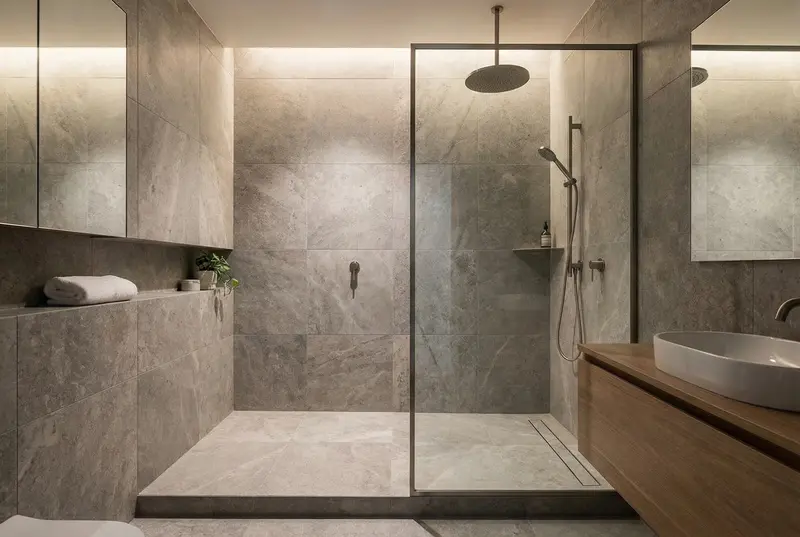
Wet Room Installation in Hull
Wet room installation is one of the most significant bathroom upgrades you can make, and in Hull it's becoming increasingly popular — particularly among homeowners looking to future-proof their property or simply create a more open, modern space. The challenge in Hull is that no two homes are the same. You've got everything from narrow-terraced Victorian houses in Newland Avenue to sprawling post-war semis in Bransholme and contemporary new builds out toward Kingswood. Each presents its own set of structural considerations, and getting a wet room right means understanding exactly what's underneath your floor before a single tile is laid.
Plumbing Conditions in Hull
Hard water — Yorkshire Wolds chalk
Mixed housing stock across different eras. With 22% of properties built before 1919, older pipework and drainage systems are common — specialist knowledge of period properties matters.
Wet Room Installation in Hull — Local Expertise
Hull's housing stock is genuinely varied, and that variety matters enormously when it comes to wet room installation. Victorian properties — common across Avenues and Anlaby Road areas — typically have suspended timber floors, which require specialist tanking and additional structural reinforcement before a wet room can be installed safely. Post-war builds, which make up a large portion of homes in east Hull and the estates around Bransholme, often have solid concrete floors that are more naturally suited to a wet room conversion, though drainage positioning can still be a challenge. Modern new builds are generally the most straightforward, with pre-planned drainage layouts in many cases. Hull also sits in a moderately hard water area, which is worth bearing in mind when specifying your shower system. Hard water accelerates limescale build-up on screens, fittings, and shower heads — so choosing the right materials and considering a water softener or scale inhibitor from the outset can save you real money on maintenance over the years.
How We Work
A professional wet room installation in Hull follows a clear process, and understanding each stage helps you know what you're agreeing to before work begins. The first step is a thorough survey of your existing bathroom — assessing floor construction, drainage options, fall gradients, and the condition of existing plumbing and pipework. This is where an experienced local installer earns their fee, because getting the drainage gradient wrong is one of the most common causes of wet room failure. Once the design and drainage route are agreed, the existing bathroom is stripped out completely. For timber floors, the subfloor is reinforced and a specialist shower former or wet room tray former is fitted to create the correct fall toward the drain. For solid floors, a linear drain or central drain is set and the screed is laid to achieve the gradient. Everything — walls, floor, and the junctions between them — is then tanked using a multi-layer waterproofing membrane system. This is arguably the most critical stage: inadequate tanking causes water ingress, damp, and structural damage that can be extremely expensive to fix. Once the waterproofing is cured and signed off, tiling begins, followed by the fitting of your shower system, glass screen if specified, and all ancillary fittings. A well-installed wet room should be fully watertight, properly ventilated, and built to last decades.
Why Choose a Local Hull Specialist
Choosing a Hull-based installer rather than a national firm or someone drafted in from outside the area genuinely makes a difference. Local tradespeople know Hull's housing stock intimately — they've worked in the Avenues, in Bransholme, in Hessle, and they understand the quirks of local property construction. They're also accountable in a way that distant contractors aren't. If something needs attention six months down the line, a local installer can be back with you quickly. They'll know local suppliers, which can keep material costs reasonable, and they're far more likely to rely on their local reputation to do good work.
Frequently Asked Questions
Can I have a wet room installed in an upstairs bathroom in my Hull Victorian terrace?
Yes, but it requires careful planning. Upstairs rooms in Victorian terraces have timber joists that need reinforcing before installation. A good installer will assess the structural requirements during a survey and may recommend additional noggins, a marine ply subfloor, and a purpose-built former to manage the gradient. It's entirely achievable — it just needs to be done properly.
How do I manage limescale in my wet room given Hull's hard water?
Hull's moderately hard water means limescale will accumulate on fittings, shower heads, and glass screens faster than in softer water areas. Specifying brushed or matte finishes rather than chrome reduces visible build-up. Many Hull homeowners also fit an inline scale inhibitor on the shower feed. Regular use of a squeegee after showering and a weekly spray with a diluted white vinegar solution makes a significant difference to maintenance.
How long does a wet room installation take in Hull?
Most wet room installations take between seven and fourteen working days from strip-out to completion. Simpler conversions in modern properties can be closer to a week, while older Hull homes requiring structural floor work, additional waterproofing, or bespoke tiling patterns will naturally take longer. Your installer should give you a realistic timeline upfront, including any curing periods for screed and tanking membrane.
Does a wet room add value to a property in Hull?
A well-installed wet room can add meaningful value, particularly in Hull's mid-to-upper market where buyers appreciate quality bathrooms. It also broadens appeal to buyers with mobility considerations. The key word is 'well-installed' — a poorly waterproofed or cheaply finished wet room can actually put buyers off. Quality installation and materials are non-negotiable if you want the investment to pay back.
Other Plumbing Services in Hull
What do you need?
Select your service and urgency level