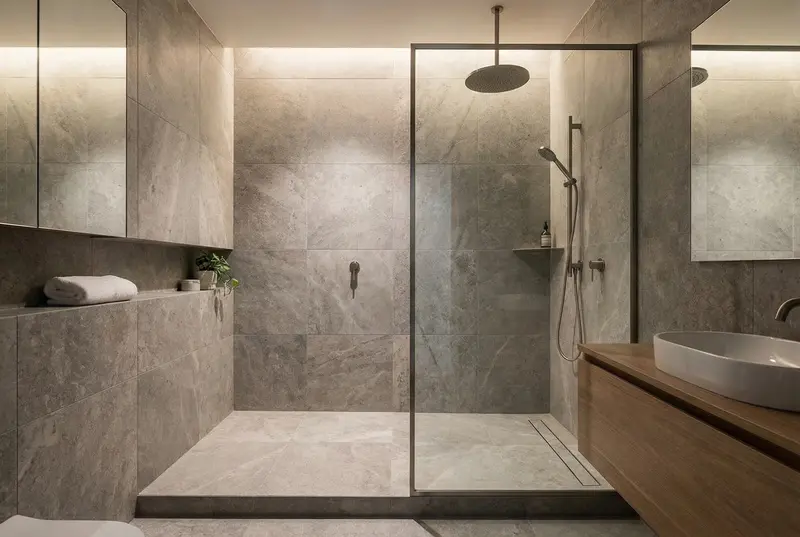
Wet Room Installation in Havering
If you're living in Havering and you've reached the point where the old family bathroom just isn't cutting it anymore — cramped, dated, increasingly awkward for elderly relatives or anyone with mobility needs — a wet room is often the answer people eventually land on. It's a fully waterproofed, open-plan shower space that removes the trip hazard of a tray and transforms what's often a poky room into something genuinely functional and modern. Across Havering, demand for wet room installations has grown steadily over the past decade, particularly as homeowners invest in improving properties they intend to stay in long-term rather than move from. Done properly, a wet room adds real value and lasting practicality.
Plumbing Conditions in Havering
Very Hard water — significant limescale buildup, annual boiler servicing essential
Mixed housing stock across different eras. With 22% of properties built before 1919, older pipework and drainage systems are common — specialist knowledge of period properties matters.
Wet Room Installation in Havering — Local Expertise
Havering's housing stock is one of the more varied you'll find across Greater London. You've got solid Victorian and Edwardian terraces in areas like Romford and Hornchurch sitting alongside large volumes of post-war semi-detached houses — the kind built rapidly across the borough during the 1950s and 60s — and then more recent new-build developments closer to Rainham and Harold Wood. Each of these property types presents different challenges for wet room installation. Victorian homes often have original suspended timber floors on the ground floor, which require careful assessment before any waterproofing work begins, as the structure needs to support a screeded or tanked system. Post-war properties typically have solid concrete floors downstairs but can have timber upper floors too. A good installer working in Havering will survey the subfloor thoroughly before quoting. Worth noting too: Havering sits in a moderately hard water area, which means limescale will build up on glass screens and chrome fittings over time. It's well worth discussing a water softener or specifying limescale-resistant fixtures when you're planning your wet room fitout.
How We Work
A proper wet room installation in Havering involves significantly more than simply removing a shower tray and tiling the floor. The process begins with a full survey of the bathroom space, including checking the subfloor type, existing drainage position, and whether the room's current plumbing layout is compatible with a linear or central drain. Once a design is agreed, the first physical stage is stripping back to the structural floor or substrate. Any timber floor will typically be reinforced or replaced with a more stable board before the waterproofing system goes down. This tanking process — applying a specialist waterproof membrane to the floor and walls — is the most critical stage of the whole job. Cutting corners here is the number one reason wet rooms fail and cause damage to ceilings below. After tanking is signed off, the screeded fall is laid to direct water toward the drain, then tiling begins. Most installers in Havering work with porcelain or natural stone tiles, applying them with flexible adhesive and grout suited to wet environments. Shower valve, thermostatic controls, and any glazed screen or partition are fitted last. A full installation typically takes five to eight working days depending on room size and complexity. You should expect the bathroom to be out of use for the majority of that time, so having a second WC or shower elsewhere in the house helps considerably.
Why Choose a Local Havering Specialist
Choosing a tradesperson who regularly works in Havering genuinely makes a difference on a job like this. They'll know which areas of the borough have older drainage systems that may need attention, they'll be familiar with the building types in Romford, Upminster, and Hornchurch, and they're accessible if anything needs attention after completion. Wet room installations rely on multiple trades — plumbing, tiling, and sometimes carpentry — and a local installer with established local subcontractors tends to manage that coordination far more smoothly than someone travelling in from outside the area. Local reputation also matters: a tradesperson working in Havering long-term has strong incentive to get the job right.
Frequently Asked Questions
Can a wet room be installed on an upper floor in a Havering Victorian terrace?
Yes, but it requires more preparation. Upstairs timber floors in Victorian properties need to be assessed for strength and then built up with a suitable substrate before tanking. It's entirely achievable, but expect it to add time and cost compared to a ground-floor solid concrete base. An experienced installer working in Havering will know exactly what's involved and should survey the floor before quoting.
How do I deal with limescale on my wet room fittings given Havering's hard water?
Havering's moderately hard water supply does mean limescale is a real consideration. Specifying a frameless screen rather than a curtain helps, and using a squeegee after each shower makes a big difference. Some homeowners in the area fit an inline water softener or scale inhibitor as part of the installation. Anti-limescale coatings on glass and matte-finish tiles also reduce the visual impact of mineral buildup significantly.
How long will a wet room installation in Havering typically take from start to finish?
Most standard wet room conversions take between five and eight working days on site, assuming no significant structural surprises. Factor in a couple of weeks lead time before work starts for materials to be ordered. Planning the project for a time when you have access to another shower or bathroom in the house makes the disruption much more manageable throughout the process.
Does a wet room installation in Havering need building regulations approval?
A like-for-like bathroom conversion to a wet room doesn't usually require formal building regulations approval unless you're moving soil pipes or making structural changes. However, any electrical work — such as adding underfloor heating or repositioning lighting — must comply with Part P regulations and be carried out by a qualified electrician. Your installer should be clear about what's notifiable and handle the appropriate certifications as part of the job.
Other Plumbing Services in Havering
What do you need?
Select your service and urgency level