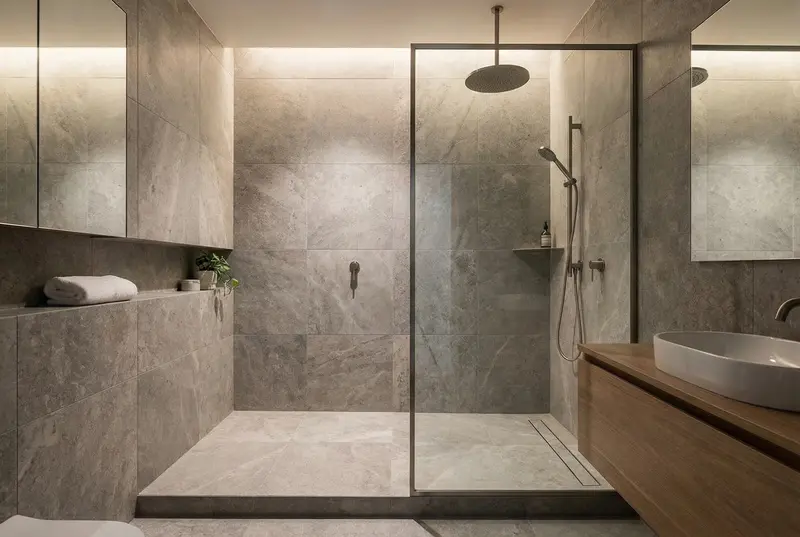
Wet Room Installation in Norwich
Wet rooms have become one of the most popular bathroom upgrades across Norwich, and it's easy to see why. A properly designed wet room removes the need for a shower tray or enclosure, creates a clean open space that's easier to keep clean, and adds genuine value to your home. But getting one installed correctly is more involved than a standard bathroom refit. The waterproofing has to be done right, the floor gradient has to work, and the whole room needs to be thought through from the ground up. Done properly by an experienced local installer, a wet room in Norwich can last decades without a single leak or issue.
Plumbing Conditions in Norwich
Hard water — Norfolk chalk and limestone
Mixed housing stock across different eras. With 22% of properties built before 1919, older pipework and drainage systems are common — specialist knowledge of period properties matters.
Wet Room Installation in Norwich — Local Expertise
Norwich has a genuinely varied housing stock, and the type of property you're in makes a real difference to how a wet room installation unfolds. In the Edwardian semis common across areas like Eaton and Thorpe St Andrew, you're often dealing with solid timber floor joists and original plasterwork. These need careful assessment before tanking — the floor may need structural reinforcement to handle the additional wet weight and to achieve the correct fall towards the drain. Post-war estates across Norwich, including those in Heartsease and Bowthorpe, tend to have concrete ground floors which can actually be ideal for wet rooms, though they need thorough damp checks beforehand. Modern developments in areas like Broadland Business Park fringe or Sprowston have purpose-built bathroom layouts that can sometimes be easier to adapt. Norwich sits in a moderately hard water area, which means limescale build-up on screens, fixtures and drains is a genuine consideration — your installer should factor in appropriate fittings and finishes that hold up well over time.
How We Work
A wet room installation in Norwich typically follows a clear sequence of stages, and understanding what's involved helps you ask the right questions before work begins. The first step is a site survey, where an installer assesses your existing bathroom layout, floor construction, waste pipe routes and load-bearing capacity. This is where property-specific decisions get made — whether a new drain needs cutting in, whether the floor needs reinforcing, and how the walls will be prepared. Once the room is stripped back to bare walls and floor, the tanking process begins. This is the most critical part of the whole job: a specialist waterproof membrane is applied to the floor, walls, and all junctions, with particular attention to corners and pipe penetrations where leaks typically originate. The floor is then built up with a sloped former or screeded to create a gradient of around 1-2% towards the drain — enough to shift water without feeling uncomfortable underfoot. After tanking is inspected and approved, tiling or another waterproof finish goes down, followed by the fitting of your chosen shower valve, screen if required, and any sanitary ware. A final check ensures the drainage is flowing freely and no water is pooling. From start to finish, most wet room installations in Norwich take between five and eight working days, depending on complexity.
Why Choose a Local Norwich Specialist
Choosing a Norwich-based installer rather than a national firm or someone travelling in from outside the area really does matter for a job like this. Local tradespeople understand the quirks of Norwich housing — they've worked in enough Edwardian semis to know where the hidden problems tend to be, and they've dealt with the hard water here long enough to know which fittings stand up to it. They're also easier to get back if something needs attention down the line. A wet room is a significant investment in your home, and having someone local who's accountable and familiar with Norwich building stock is genuinely worth paying for.
Frequently Asked Questions
Is my Norwich Edwardian semi suitable for a wet room?
Most Edwardian properties in Norwich can accommodate a wet room, but the timber floor joists typically need reinforcing or replacing with a more rigid substrate before tanking. An experienced installer will assess this during the survey. It's not a barrier — it just needs to be factored into the plan and budget from the start.
How long does a wet room installation take in Norwich?
For most Norwich properties, expect five to eight working days from strip-out to completion. More complex jobs — older properties needing structural work, or larger rooms with bespoke tiling — can take up to two weeks. Your installer should give you a clear timeline before work starts, so you can plan around having no bathroom access.
Will hard water in Norwich damage my wet room fittings?
Norwich's moderately hard water does cause limescale to build up on shower heads, screens and drain covers over time. It won't cause structural damage, but it's worth choosing fittings with an easy-clean coating and installing a shower head filter if you're particularly bothered by it. Regular descaling keeps everything looking good and functioning properly.
Do I need planning permission for a wet room in Norwich?
In most cases, no. Wet room installations are considered permitted development as long as you're not changing the use of the room or making external structural changes. If your property is in a conservation area — and parts of Norwich city centre are — it's worth checking with the local planning authority before any work begins, just to be sure.
Other Plumbing Services in Norwich
What do you need?
Select your service and urgency level