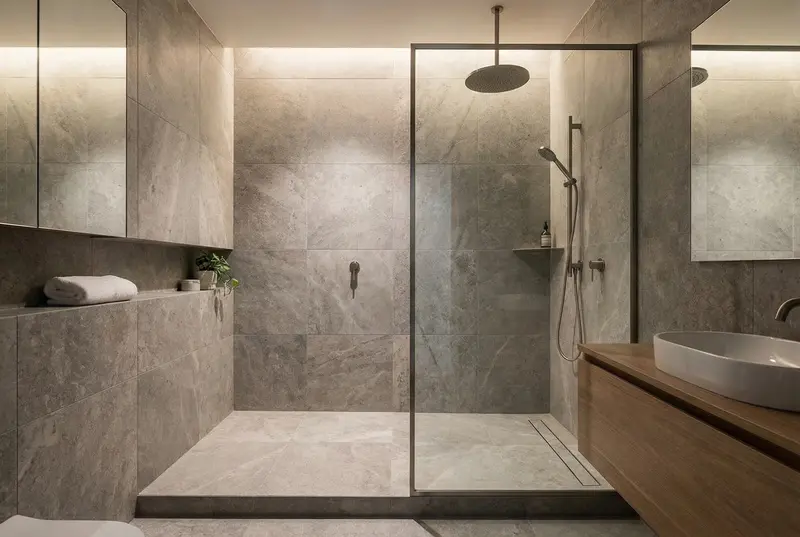
Wet Room Installation in Cheltenham
Cheltenham homeowners tend to invest seriously in bathrooms, and a well-executed wet room adds real value to a property, particularly in the town's higher-end streets where buyers expect a certain quality of finish.
Plumbing Conditions in Cheltenham
Moderately Hard water — Cotswold limestone
Mixed housing stock across different eras. With 22% of properties built before 1919, older pipework and drainage systems are common — specialist knowledge of period properties matters.
Wet Room Installation in Cheltenham — Local Expertise
Cheltenham's housing stock creates some specific challenges for wet room installers. A large proportion of homes are Georgian townhouses and period properties — beautiful buildings, but ones that weren't designed with modern wet rooms in mind. Solid ground floors mean there's no void to drop drainage into easily, so installers often need to use a low-profile linear drain system or break into the concrete to create a proper fall. Upper-floor bathrooms in period properties can raise concerns about floor loading and waterproofing, since older joists weren't built to handle the weight of large format tiles and a fully tanked wet room. Cheltenham also sits in a moderately hard water area, which is worth factoring in when choosing fittings and screens — limescale builds up on glass and chrome faster than many homeowners expect, so opting for treated glass panels and quality brassware from the outset saves a lot of maintenance hassle down the line.
How We Work
A proper wet room installation in Cheltenham follows a logical sequence, and understanding it helps you know what to expect from your installer. The job starts with a full survey of the existing bathroom — checking the floor structure, existing waste runs, and whether the walls can take tanking properly. In period properties especially, this stage can throw up surprises, so a good installer will scope this carefully before quoting. Once the existing bathroom is stripped out, the floor is prepared and a gradient is created toward the drain — usually around 1.5% fall — to ensure water drains away properly rather than pooling. The entire floor and lower walls are then tanked using a specialist membrane system, which is the critical waterproofing layer that protects the building structure. After tanking, the walls are boarded or plastered as required, and tiling begins. Large format tiles are popular in Cheltenham wet rooms and work well in period properties where the proportions of the room suit a bold, clean look. The shower and basin plumbing is fitted, screens or frameless glass panels are installed, and the room is finished with flooring, lighting, and accessories. The whole process typically runs two to three weeks for a standard bathroom conversion, slightly longer if structural work or replastering is involved.
Why Choose a Local Cheltenham Specialist
Choosing a Cheltenham-based installer rather than a national firm makes a practical difference on a job like this. Local tradespeople know the area's housing stock — they've worked in Georgian townhouses on the Promenade side streets, they understand what Pittville or Montpellier properties tend to throw up during a strip-out, and they have established relationships with local tile suppliers and building merchants. That familiarity speeds up the job and reduces the risk of expensive surprises. It also means they're accountable locally — if something needs addressing after completion, they're not travelling from another county to come back.
Frequently Asked Questions
Can a wet room be installed on an upper floor in a Cheltenham period property?
Yes, but it requires careful assessment of the floor structure first. Many Georgian properties in Cheltenham have original timber joists that need reinforcing before they can safely support a fully tanked wet room with heavy tiling. A good installer will check load capacity during the survey stage and advise on any strengthening work needed — this adds cost but is not optional.
How do I deal with limescale on my new wet room in Cheltenham's hard water?
Cheltenham's moderately hard water means limescale on glass screens and chrome fittings is a genuine issue. Specifying treated or coated glass panels when fitting the wet room dramatically reduces buildup. A squeegee after each use is still the most effective daily habit. Some homeowners also install an inline water softener, which protects all fittings throughout the house and is worth considering during the build stage.
How long does a wet room installation take in Cheltenham?
Most standard bathroom conversions run between two and three weeks from strip-out to completion. Period properties in Cheltenham sometimes take longer — solid floor drainage work, replastering original walls, or dealing with unexpected structural issues can add several days. Your installer should give you a realistic programme at the quoting stage and flag any likely variables upfront.
Do I need planning permission for a wet room in Cheltenham?
In most cases, no — wet room installations are considered permitted development inside your home. However, if you live in a listed building, which isn't uncommon in central Cheltenham, you'll need listed building consent before carrying out significant internal alterations. Your installer should flag this, but it's worth checking with Cheltenham Borough Council if you're unsure about your property's status.
Other Plumbing Services in Cheltenham
What do you need?
Select your service and urgency level