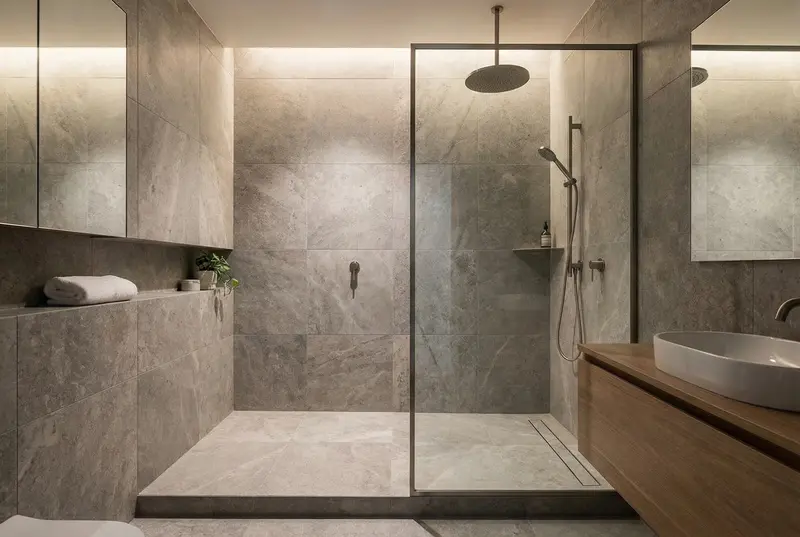
Wet Room Installation in Camden
A wet room is one of the most rewarding bathroom upgrades you can make, and in Camden it's become increasingly popular as homeowners look to add genuine value and practicality to their homes. That's not a small investment, but a well-executed wet room will add more to a Camden property's value than almost any other single bathroom improvement — particularly important in a borough where property prices make every square foot count.
Plumbing Conditions in Camden
Very Hard water — significant limescale buildup, annual boiler servicing essential
Mixed housing stock across different eras. With 22% of properties built before 1919, older pipework and drainage systems are common — specialist knowledge of period properties matters.
Wet Room Installation in Camden — Local Expertise
Camden's housing stock is genuinely varied, and the type of property you own has a significant bearing on how a wet room installation will be approached. Victorian terraces and conversions — common across Kentish Town, Tufnell Park, and parts of Belsize Park — typically have suspended timber floors, which need careful assessment before any wet room work begins. These floors require either a structural overhaul or a proprietary tanking system designed for timber substrates, and skipping this step is how leaks happen. Post-war properties and purpose-built flats, more prevalent around Gospel Oak and parts of Swiss Cottage, often have solid concrete floors that are more straightforward to work with but may present their own challenges around drainage falls. Camden is also a moderately hard water area, which is worth bearing in mind when choosing your fixtures — limescale builds up on exposed showerheads and glass screens faster than you'd expect, so specifying anti-limescale fittings and a quality water-fed squeegee from the outset will save you ongoing maintenance headaches.
How We Work
A proper wet room installation in Camden follows a clear sequence of work, and understanding it helps you ask the right questions when getting quotes. The process begins with a thorough survey of your existing bathroom — checking floor structure, existing drainage positions, pipework runs, and the condition of surrounding walls. Any structural concerns with timber floors are addressed at this stage, either by strengthening joists or installing a purpose-built platform to create the necessary drainage gradient. Once the substrate is sound, the waterproofing system goes in. This is the most critical part of the job and involves applying a tanking membrane across the entire floor and at least 300mm up every wall — some installers go higher, and for a Camden Victorian terrace where neighbouring properties share walls, that's wise. After the tanking has cured and been checked, your tiler will lay the floor and wall tiles with the correct fall towards the linear or point drain. Plumbing connections are made for the shower valve, thermostatic controls, and any additional features like body jets or a rainfall head. First fix and second fix electrical work runs alongside this if you're adding underfloor heating or a heated towel rail. The final stage is fitting shower screens if required, sealing all joints with appropriate silicone, and a full function test of every element before the installer signs off.
Why Choose a Local Camden Specialist
Hiring a tradesperson who knows Camden well genuinely makes a difference on a project like this. A local installer will have worked in Victorian conversions and mansion blocks across the borough, so they won't be surprised by a party wall situation in Primrose Hill or an awkward pipework layout in a Chalk Farm flat conversion. They'll also have established relationships with local building control if your project requires notification, and they'll know which tile suppliers and merchants in and around Camden can turn around materials quickly if something needs replacing mid-job. That local knowledge shortens the project timeline and reduces the risk of costly surprises.
Frequently Asked Questions
Do I need planning permission for a wet room installation in Camden?
In most cases, no — wet room installations are considered permitted development for internal works. However, if you live in a listed building or within a Camden conservation area, which covers a significant portion of the borough, you may need listed building consent or prior approval before altering the fabric of the property. Always check with Camden Council's planning department before starting work in an older property.
Can a wet room be installed in a Victorian terrace with wooden floors?
Yes, but it requires more preparation than a concrete subfloor. The timber joists and boards need to be assessed for strength and moisture resilience, and a suitable decoupling or tanking system designed for timber must be used. This adds cost and time, but it's entirely achievable and done routinely in Camden's many Victorian properties. Don't let any installer skip or rush this stage.
How long does a wet room installation take in a typical Camden home?
Most wet room installations in Camden take between seven and fourteen working days from start to finish, depending on the scope. Simple conversions in modern flats with concrete floors at the lower end, Victorian terrace projects requiring floor remediation or bespoke tiling at the upper end. You'll be without a functioning bathroom during this time, so plan accordingly if it's your only bathroom.
Will hard water in Camden damage my new wet room?
Camden's moderately hard water supply won't damage a properly sealed wet room, but it will cause limescale to build up on showerheads, glass screens, and chrome fittings more quickly than in soft water areas. Specifying anti-limescale fittings, using a daily shower spray, and wiping down glass after use will keep your wet room looking new. Some homeowners also fit an inline shower filter, which helps noticeably.
Other Plumbing Services in Camden
What do you need?
Select your service and urgency level