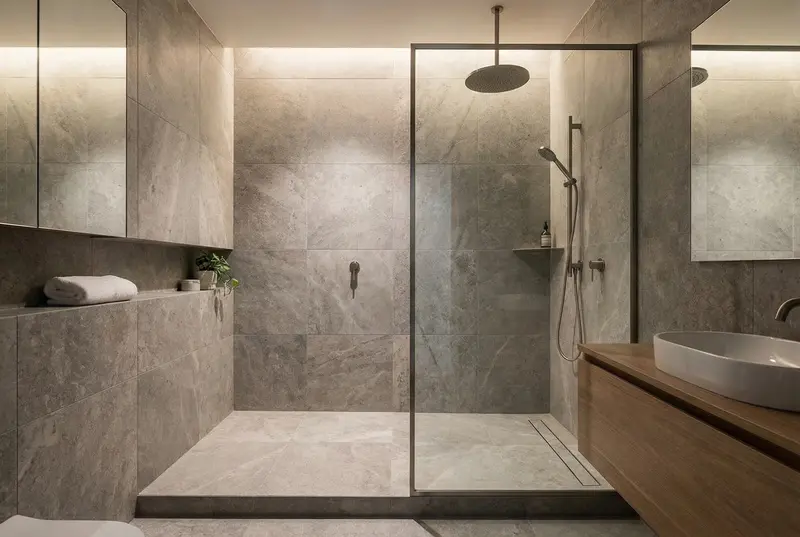
Wet Room Installation in Wolverhampton
Picture this: you've just moved into a solid 1930s semi in Wolverhampton, the bathroom is dated, cramped, and the shower tray leaks every time someone uses it. Or perhaps you've got an elderly parent finding it harder to step over a bath, and you want to create something genuinely practical without the place looking clinical. A wet room installation solves both problems elegantly. It opens up the floor space, removes trip hazards entirely, and when it's done properly, it becomes one of the most used and most appreciated rooms in the house. Wolverhampton homeowners are increasingly choosing wet rooms, and it's not hard to see why.
Plumbing Conditions in Wolverhampton
Moderately Soft water — Severn Trent supply
Mixed housing stock across different eras. With 22% of properties built before 1919, older pipework and drainage systems are common — specialist knowledge of period properties matters.
Wet Room Installation in Wolverhampton — Local Expertise
Wolverhampton's housing stock is one of the more varied you'll find in the West Midlands. You've got solid Victorian terraces across areas like Whitmore Reans and parts of Bilston Road, post-war council-built semis and bungalows in estates like Bushbury and Low Hill, and then newer builds dotted across the city's expanding edges. Each property type brings its own considerations for wet room installation. Victorian homes often have suspended timber floors, which need specialist waterproofing treatment or a conversion to a concrete base before any wet room work begins — it's not a shortcut worth taking. Post-war properties tend to have solid concrete floors which are more straightforward, but sometimes have awkward bathroom layouts that need rethinking. Newer builds can be simpler structurally but may have thinner partition walls requiring additional waterproofing care. Wolverhampton sits in a moderately hard water area, which means limescale will build up on glass screens and chrome fittings over time. It's worth factoring in a water softener or at least opting for easy-clean screen coatings and fixtures resistant to mineral deposit build-up when spec'ing out your wet room.
How We Work
A proper wet room installation in Wolverhampton is a multi-trade job that typically takes between five and ten working days depending on the size of the room and the condition of the existing space. The process starts with a full strip-out — removing the existing suite, tiles, and flooring right back to the structural substrate. This is the stage where any nasty surprises reveal themselves, particularly in older properties where previous DIY tiling or dodgy plumbing can add time and cost. Once the substrate is assessed and prepared, the floor is graded to fall toward the drain — usually a linear drain running along one wall or a central point drain — ensuring water flows away cleanly rather than pooling. Tanking is then applied across the entire floor and at least 1.8 metres up the walls, creating a fully waterproof membrane before a single tile goes down. This stage is non-negotiable and is what separates a true wet room from a disaster waiting to happen. Underfloor heating is typically installed at this point if required, since it's far easier to lay before tiling than retrofit later. Tiling follows, then screen installation if you're having one, and finally first and second fix plumbing — including fitting your chosen shower valve, head, and any additional body jets or rainfall features. A final check ensures all falls are correct, waste runs freely, and there are no areas of standing water. The finished result should be completely level with the rest of the bathroom floor.
Why Choose a Local Wolverhampton Specialist
Choosing a Wolverhampton-based installer rather than a national company makes a practical difference. Local tradespeople know the property types across the city — they've worked in the Edwardian terraces of Penn, the bungalows in Tettenhall, and the newer builds out toward Wednesfield. They understand which streets tend to have cast iron drainage that needs careful handling, and they're not quoting blind. They're also easier to hold accountable. If something needs attention six months after the job, a local business with a reputation to protect in Wolverhampton will respond. That matters when you're spending upward of six thousand pounds on a bathroom.
Frequently Asked Questions
Can a wet room be installed in a Victorian terraced house in Wolverhampton?
Yes, but it requires more preparation than a modern property. Most Victorian terraces in Wolverhampton have suspended timber floors, which need either a concrete overlay or specialist decoupling membrane and tanking system before installation begins. A good installer will assess this at survey stage and quote accordingly. It's very achievable — it just needs doing properly.
How do I deal with limescale on my new wet room given Wolverhampton's hard water?
Wolverhampton's moderately hard water supply means limescale will appear on glass screens and chrome fittings without some preventative measures. Options include easy-clean glass coatings applied during installation, chrome-alternative finishes like brushed nickel or matt black that show scale less readily, or fitting an inline water softener to the shower supply. Regular squeegee use after showering also makes a significant difference day-to-day.
How long does a wet room installation take in a typical Wolverhampton home?
For most Wolverhampton properties, expect five to eight working days for a standard bathroom-sized wet room. Homes with timber floors requiring concrete bases, or rooms needing structural alterations, can run to ten days or more. Your installer should give you a clear programme at quote stage. Most households manage fine with access to a second toilet or a temporary washing arrangement during the works.
Is planning permission required for a wet room installation in Wolverhampton?
In the vast majority of cases, no planning permission is needed for an internal wet room conversion in Wolverhampton. It's classed as permitted development. However, if your home is a listed building — there are a number across the city's older districts — you'll need listed building consent before altering internal fixtures. Your installer should flag this at survey, but it's worth checking with Wolverhampton City Council if you're unsure about your property's status.
Other Plumbing Services in Wolverhampton
What do you need?
Select your service and urgency level