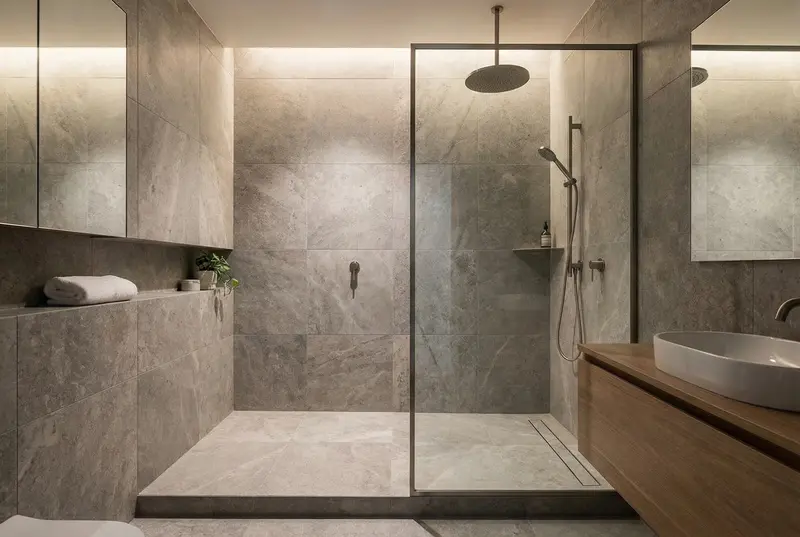
Wet Room Installation in Southend-on-Sea
Most people in Southend-on-Sea start thinking about a wet room when an aging bathroom becomes a practical problem rather than just an aesthetic one. Whether it's supporting an elderly parent in one of the town's many Edwardian semis, future-proofing a home after a mobility change, or simply wanting a genuinely luxurious, open shower space, wet rooms are increasingly the go-to bathroom upgrade across the area. Done properly, a wet room adds real value to your home and transforms daily life. Done badly, it causes serious water damage and expensive remedial work. This guide covers everything you need to know before committing to a wet room installation in Southend-on-Sea.
Plumbing Conditions in Southend-on-Sea
Very Hard water — East Anglian chalk geology
Mixed housing stock across different eras. With 22% of properties built before 1919, older pipework and drainage systems are common — specialist knowledge of period properties matters.
Wet Room Installation in Southend-on-Sea — Local Expertise
Southend-on-Sea has a wide mix of property types, and each brings its own set of considerations when it comes to wet room installation. Edwardian semis — common across areas like Westcliff-on-Sea and Leigh-on-Sea — often have timber suspended floors on the ground level and older pipework that may need upgrading before a wet room is viable. The floor structure needs to be strong and stable enough to support a tanked, waterproofed system, and in older properties this sometimes means reinforcing joists or laying a concrete screed. Post-war estates, which make up a large portion of Southend's housing stock, are more likely to have solid concrete floors on the ground floor, which can actually make wet room installation more straightforward. Modern developments often have en-suite spaces already designed with wet rooms in mind. It's also worth noting that Southend-on-Sea sits in a moderately hard water area, which means limescale build-up on screens, fittings, and drains is a real consideration. Many installers recommend specifying chrome or brushed steel fittings with a limescale-resistant coating, and a quality thermostatic shower valve rather than a cheap mixer.
How We Work
A wet room installation is a multi-trade project, and understanding the stages helps you manage the process and spot if corners are being cut. The work typically begins with a full strip-out of the existing bathroom — tiles, floor coverings, sanitary ware, and sometimes the stud walls if the layout is changing. Once you're back to the bare structure, the floor and walls need to be properly tanked. This is the most critical stage: a waterproof membrane system is applied to every surface that will get wet, lapped up the walls and into every corner. Skimping here is the main reason wet rooms fail. After tanking, a linear or central drain is set into the floor, and the floor is built up with a gradient — typically a fall of around 1:80 — so water flows cleanly to the drain rather than pooling. In properties with suspended timber floors, a specialist wet room former or a pump system may be used instead. Once the structure is sound and waterproofed, first fix plumbing takes place: supply pipes, waste pipes, and any underfloor heating if you're including it. Then comes tiling or wall panels, second fix plumbing for the shower valve and head, and finally screen installation if you want one, along with accessories. A typical installation in a standard bathroom space takes around five to eight working days from strip-out to completion.
Why Choose a Local Southend-on-Sea Specialist
Choosing a tradesperson who works regularly in Southend-on-Sea makes a practical difference. Local installers know what to expect from the town's property stock — they've worked in Edwardian semis with awkward joist layouts, post-war bungalows with low-spec drainage, and newer builds with their own quirks. They'll have reliable local suppliers, which helps if materials need replacing mid-job, and they're easier to get back if there's a snagging issue after completion. A local reputation also matters: tradespeople who rely on word-of-mouth across Southend and the surrounding areas have a strong incentive to get the job right first time.
Frequently Asked Questions
Can I have a wet room in an Edwardian semi with a timber suspended floor?
Yes, but it takes more preparation. The joists need to be checked for strength and may need reinforcing. A wet room former designed for timber floors, or a pump-assisted drain system, is usually the right solution. It adds some cost, but it's perfectly achievable — and many of Southend's older properties have had it done successfully.
How do I prevent limescale build-up in my new wet room in Southend-on-Sea?
Because Southend sits in a moderately hard water area, limescale is a genuine issue. Opt for fittings with an easy-clean or limescale-resistant finish, choose a thermostatic valve with ceramic cartridges rather than rubber washers, and squeegee the walls after use. Some homeowners also install a small inline water softener on the shower supply, which helps considerably.
Do I need planning permission for a wet room conversion in Southend-on-Sea?
In most cases, no — converting an existing bathroom to a wet room is considered permitted development. However, if your property is listed or in a conservation area (there are several in and around Southend), it's worth checking with the local planning authority before work begins. Your installer should flag this, but it's sensible to confirm yourself.
How long does a wet room installation take from start to finish in Southend?
For a standard bathroom conversion, allow five to eight working days on site. More complex projects — larger spaces, suspended floors needing reinforcement, or full bathroom relocations — can take ten days or more. You'll be without a working bathroom during this time, so if it's your only bathroom, discuss interim arrangements with your installer before work starts.
Other Plumbing Services in Southend-on-Sea
What do you need?
Select your service and urgency level