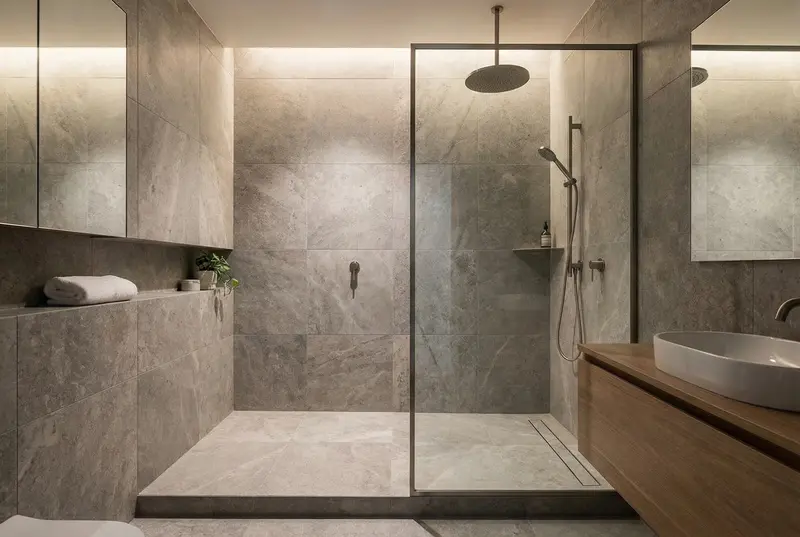
Wet Room Installation in Haringey
Wet rooms have become one of the most popular bathroom upgrades across Haringey, and it's easy to see why. Whether you're after a sleek, modern aesthetic or need a more accessible bathing solution, a properly installed wet room transforms what is often a small, awkward bathroom into something genuinely special. The challenge is getting the installation right — because in a borough as densely built and varied as Haringey, there's no such thing as a one-size-fits-all job. From the floor structure beneath your feet to the waterproofing that protects your neighbours below, every wet room here demands careful planning and skilled hands.
Plumbing Conditions in Haringey
Very Hard water — significant limescale buildup, annual boiler servicing essential
Mixed housing stock across different eras. With 22% of properties built before 1919, older pipework and drainage systems are common — specialist knowledge of period properties matters.
Wet Room Installation in Haringey — Local Expertise
Haringey's housing stock is one of the most varied in North London. You'll find grand Victorian terraces in Crouch End and Stroud Green sitting alongside 1950s post-war council blocks in Tottenham and Bruce Grove, as well as purpose-built modern flats throughout the borough. This variety creates real differences in how wet rooms need to be approached. Victorian properties often have suspended timber floors, which require specialist tanking and sometimes structural reinforcement before a wet room drain can even be considered. Post-war properties frequently feature concrete floors — generally easier to work with, but older layouts can hide outdated pipework that needs upgrading at the same time. Modern builds tend to have more predictable structures but tighter spaces. Haringey also sits in a moderately hard water area, which matters when selecting fixtures and grout. Limescale build-up on exposed shower screens and fittings is a genuine ongoing issue, so specifying the right materials from the start helps keep maintenance manageable for years down the line.
How We Work
A wet room installation in Haringey typically begins with a thorough survey of the existing bathroom space. A good installer will assess the floor construction, existing drainage position, water supply routes, and the condition of surrounding walls before any work begins — skipping this stage is how costly problems happen later. Once the survey is complete and a design agreed, the existing bathroom is stripped out completely. If you have a timber floor, this is when the structure is checked and reinforced if needed, and a suitable shower former or level-access tray system is set into the floor to achieve the correct fall toward the drain. The entire wet area — walls and floor — is then tanked using a specialist waterproofing membrane system. This stage is arguably the most critical part of the entire job; poor tanking is the single biggest cause of wet room failures and the expensive damage they cause to ceilings and walls below. Once the waterproofing is fully cured and tested, tiling begins. In Haringey homes, where period features and contemporary tastes often coexist, it's worth investing time in tile selection to get the look right. Fixtures — drain, shower valve, screen if used, and any heated towel rail or underfloor heating — are then fitted and commissioned. A thorough snagging check wraps the project up before handover.
Why Choose a Local Haringey Specialist
Choosing someone who regularly works in Haringey makes a genuine difference on a project like this. A local installer will already understand the typical floor constructions found in Crouch End terraces versus a Wood Green flat conversion. They'll know the quirks of older drainage systems common to this part of North London, and they're likely to have established relationships with local tile suppliers and building control contacts. If anything needs revisiting after the job is done — a sealant joint or a drain cover — a local tradesperson is far easier to get back on-site than someone who travelled in from outside the borough.
Frequently Asked Questions
Can a wet room be installed in a Victorian terraced house in Haringey?
Yes, but it requires more preparation than a concrete-floored property. Victorian terraces typically have suspended timber floors, which need to be assessed for strength and often reinforced before tanking. A good installer will factor this into the survey stage. It's very achievable, just not something to rush — the structural groundwork is what makes the difference between a wet room that lasts and one that causes water damage.
How long does a wet room installation take in Haringey?
Most wet room installations in Haringey take between seven and fourteen working days from strip-out to final handover, depending on the complexity of the project. Victorian properties or jobs involving pipework relocation tend to sit toward the longer end. Tanking and adhesives also require curing time that can't be rushed, so any installer quoting a much shorter timeline should be questioned carefully.
Does hard water in Haringey affect my choice of wet room fixtures?
It's worth considering. Haringey's moderately hard water supply means limescale will gradually build up on exposed surfaces. Brushed steel or matt black fittings tend to show limescale less than polished chrome, and using a quality grout sealer on your tile joints reduces maintenance. Some homeowners in the borough also install a small inline water softener specifically for the bathroom feed to protect fixtures and keep the space looking its best longer-term.
Do I need building regulations approval for a wet room in Haringey?
In most cases, a straightforward wet room installation replacing an existing bathroom does not require building regulations approval in Haringey. However, if the work involves moving soil stacks, altering structural elements, or is part of a larger extension or conversion, approval may be needed. It's always worth checking with Haringey Council's building control team before work begins — a reputable local installer should be able to advise you on this as part of the initial consultation.
Other Plumbing Services in Haringey
What do you need?
Select your service and urgency level