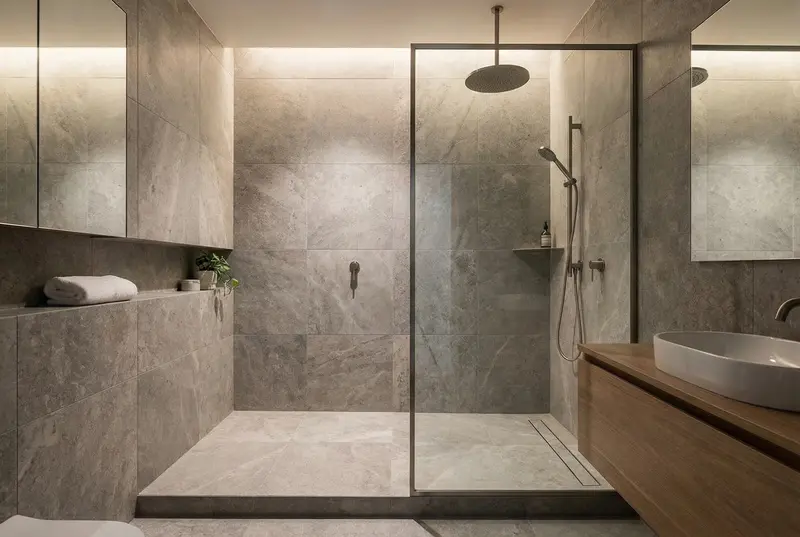
Wet Room Installation in Bristol
You've been eyeing up that tired bathroom for years — the cracked tiles, the awkward shower tray you have to step over, the general sense that it belongs in a different decade. For a lot of Bristol homeowners, converting that space into a proper wet room is the project that finally gets it sorted. It's not a small job, but done well it transforms a bathroom completely: a level floor, seamless waterproofing, and a look that feels genuinely contemporary. Wet rooms also work especially well for anyone with mobility considerations, making the bathroom safer without it looking clinical. If you're ready to stop putting it off, here's everything you need to know about getting a wet room installed in Bristol.
Plumbing Conditions in Bristol
Moderately Hard water
Mixed housing stock across different eras. With 22% of properties built before 1919, older pipework and drainage systems are common — specialist knowledge of period properties matters.
Wet Room Installation in Bristol — Local Expertise
Bristol's housing stock throws up some interesting challenges when it comes to wet room installation. Victorian terraces in areas like Easton, Totterdown, and Bedminster, along with the Edwardian semis you'll find across Henleaze, Bishopston, and Westbury Park, were built in an era when bathrooms were an afterthought — often added to a box room or carved out of a landing. That means floor joists can be close-spaced, timber may have seen better days, and the subfloor situation is rarely straightforward. A proper wet room requires a solid, level base capable of holding a tanking membrane and drainage system, so the groundwork in these older properties takes more care and often more time than in a newer build. Bristol is also a moderately hard water area, which means limescale will build up on glass screens and fittings over time. It's worth discussing this with your installer — the choice of materials, grout, and any sealing treatments can make a real difference to how the finished room holds up year after year.
How We Work
A wet room installation isn't simply a case of ripping out the old shower tray and retiling. The process starts with a proper survey of the existing bathroom — assessing the subfloor, checking joist direction, confirming there's adequate fall for drainage, and planning where the waste pipe will run. In Bristol's older terraced and semi-detached properties, this survey stage matters enormously because surprises under the floor are common. Once the strip-out is done, the subfloor is checked and reinforced if needed before a former or screed is laid to create the correct gradient toward the drain — typically around 1 in 80. The entire floor area and lower section of walls are then tanked, usually with a liquid membrane or a sheet tanking system, creating a completely waterproof zone before a single tile goes down. Drainage choices include linear drains along one wall, central point drains, or designer options that sit flush with the tile pattern. After drainage is set and tanked, tiling and wall finishes go in, followed by the shower valve, any glass screens or partitions, and final fitting of brassware and accessories. Throughout all of this, the plumbing connections need to be tied in properly — both hot and cold supply and the waste — and a good installer will pressure test the waterproofing before any finishes go on top. The whole process typically takes between five and ten working days depending on the size and complexity of the room.
Why Choose a Local Bristol Specialist
Choosing a Bristol-based installer who knows the local housing stock genuinely matters for a job like this. Someone who's worked regularly in Totterdown terraces or Bishopston Edwardian semis will have dealt with the quirks of these buildings before — the shallow floor voids, the original timber joists, the older cast-iron waste runs. They'll also know local building control requirements and won't be learning on your job. Word-of-mouth reputation matters in a city like Bristol, and a local tradesperson has real incentive to get the work right. Ask to see recent examples, check reviews from Bristol postcodes, and make sure they're registered with a relevant trade body.
Frequently Asked Questions
Do I need planning permission to install a wet room in my Bristol home?
In most cases, no — wet room installation falls under permitted development and doesn't require planning permission. However, if your Bristol property is in a conservation area (which covers parts of Clifton, Redland, and Totterdown among others) or is a listed building, you should check with Bristol City Council before starting work. Building regulations approval may still apply for drainage and structural changes.
Will my Victorian terrace floor be strong enough for a wet room?
It might need some work, but Victorian timber floors can absolutely support a wet room once properly assessed and reinforced. Installers working regularly in Bristol terraces are well used to sistering joists, adding noggins, or laying a cement board over the existing subfloor to create a stable, level base before any waterproofing goes down. A thorough survey before work starts will flag any issues early.
How do I deal with limescale in a Bristol wet room?
Bristol's moderately hard water means limescale is a genuine maintenance consideration, especially on glass screens and chrome fittings. Using a squeegee after showering is the single most effective habit. Specifying easy-clean glass coatings and epoxy or anti-fungal grout during installation also helps. Some homeowners in Bristol opt for a water softener at the same time as a wet room project, which makes a noticeable long-term difference.
How long will a wet room installation take in a typical Bristol home?
For a standard bathroom conversion in a Bristol Victorian terrace or Edwardian semi, expect five to ten working days. Smaller rooms with straightforward plumbing and good subfloor conditions sit at the lower end. Larger bathrooms, rooms requiring subfloor remediation, or complex tile layouts take longer. Your installer should give you a realistic programme before work starts so you can plan around being without a bathroom.
Other Plumbing Services in Bristol
What do you need?
Select your service and urgency level